• Request Info
  • Visit
  • Apply
  • Give
  • Request Info
  • Visit
  • Apply
  • Give

Search

A-Z Index Map

English

  • About
    • News
    • Events
    • Community Engagement
      • The Flagship Schools Admissions Essay Tutoring Program
      • Frederick Douglass Day
      • The Brian M. Conley Young Writers’ Institute
      • The Creative Writing Visiting Writers Series
      • The Stokely Writing Conference
    • John C. Hodges & Writing at Tennessee
    • Alumni & Friends
      • Give to English
  • Areas of Study
    • Literature
      • BA in Literature, Criticism & Textual Studies
      • PhD in Literature, Criticism, and Textual Studies
      • MA in Literature, Criticism, and Textual Studies
      • Medieval and Renaissance Studies
      • 18th and 19th-Century Studies
      • 20th and 21st-Century Studies
      • Literary Theory
      • Literature Faculty
      • Courses in Literature
    • Rhetoric, Writing & Linguitics
      • BA in English with a Rhetoric & Writing Concentration
      • BA in English with a Technical Communication Concentration
      • PhD in Rhetoric, Writing, and Linguistics
      • MA in Rhetoric, Writing, and Linguistics
      • RWL Faculty
      • Courses in Rhetoric, Writing & Linguistics
    • Creative Writing
      • BA in Creative Writing
      • MFA in Creative Writing
      • PhD in Creative Writing
      • Creative Writing Faculty
      • Creative Writing Alumni
      • Courses in Creative Writing
      • Creative Writing Awards
    • Publishing
      • BA in Publishing
      • Courses in Publishing
      • Publishing Faculty
  • People
    • Administrators
    • Graduate Faculty
    • Teaching Faculty
    • All Faculty
    • Staff
    • Graduate Students
    • Emeriti
    • In Memoriam
  • Undergraduate
    • Major/Minor
    • Advising
    • Undergrad Research 
    • Honors
      • Honors Theses
    • Scholarships
    • English Ed Program
    • TESOL Certificate
    • Off-Campus Study
  • Graduate
    • How to Apply
    • Funding Opportunities
    • Graduate Student Organization
    • FAQs
    • Student Handbook
  • Courses
    • Current Courses
    • 100 & 200-Level
    • 102 Inquiry Topics
    • Online
    • Past Courses
    • Course Conversations
      • The Conversation: Gender and Sexuality
      • The Conversation: Writing the World
      • The Conversation: Nature and the Environment
      • The Conversation: Race and Ethnicity
      • The Conversation: Science, Medicine, and Disability
      • The Conversation: Justice and Politics
      • The Conversation: Religion, Spirituality, and Secularity
  • Resources
    • First Year Comp
    • Herbert Writing Center
    • International Students
      • English Course Placement for ESL Students
    • English as a Second Language
    • Research
    • Newsletters
  • Careers & Internships
    • Alumni Profiles
    • Career Support
      • Drop-in Hours with Career Development
      • Building a Successful Resume and Cover Letter
      • ENGL 499: Careers for English Majors
    • Career Events
    • Career Tracks
      • Business and Nonprofit Careers
      • Careers in Science and Medicine
      • Education Careers
      • Legal Careers
      • Writing, Publishing, and Media Careers
    • Internships for Credit
    • Internship Opportunities

Back to News

Scholar Spotlight: Marie Taylor
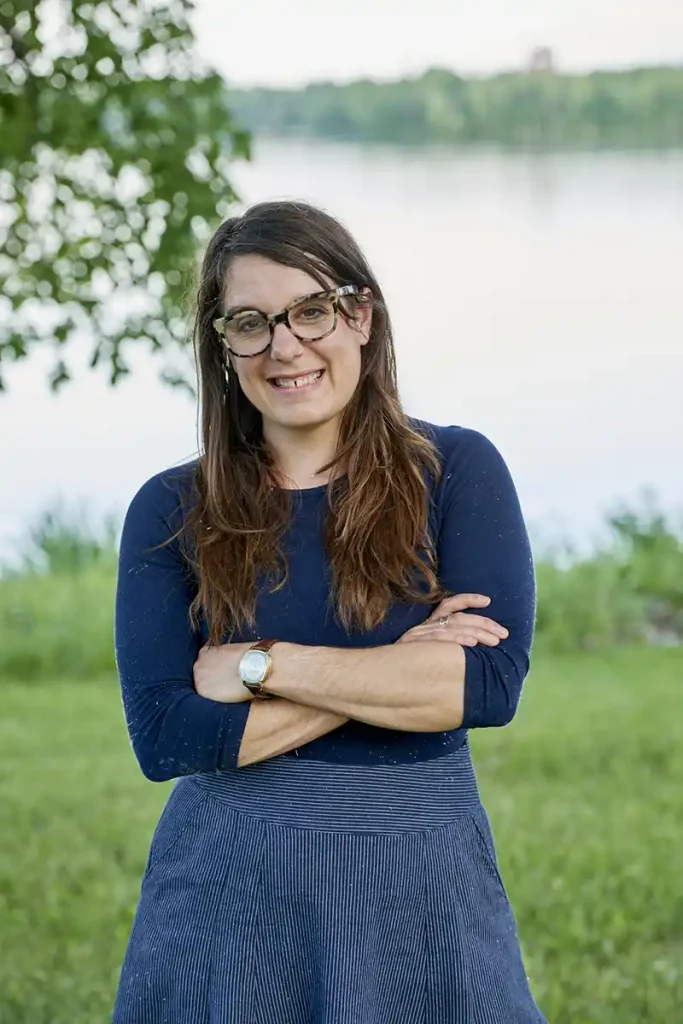
Scholar Spotlight: Marie Taylor

September 2, 2026

Marie Taylor.

“I study the writings of British colonists and Indigenous people in America in the seventeenth century. I analyze letters, diaries, sermons, medical manuals, and political documents in order to investigate how colonial people and their writings were influenced by Native American people, places, and ideas.”   

Marie Taylor
Assistant Professor
Department of English

Analyzing early colonial texts in light of the Indigenous context within which they were written helps us better envision the complex and shifting world out of which early American literature was produced.  

Native American tribes had established systems of governance, trade, diplomacy, land use, and religion. When the first English settlers arrived, they were dependent on Indigenous people, ideas, and practices for survival. Native American concepts and ideas became part of the ways in which colonists made sense of their colonial experience in writing. 

The early British colonists were much more aligned with Shakespearian England than they were with contemporary Americans. They thought about religion, science, medicine, and themselves in ways that are quite foreign to us today. 

Likewise, this period also helps us see Indigenous American communities in a new light. America was governed by numerous Native nations with distinct practices, languages, and social structures—vastly more cosmopolitan than we think.

Looking at the texts from this time period in this light unlocks a whole new way of understanding what it meant to be human in the past. 

Why I do what I do 

I’ve always loved stories. From a young age, stories allowed me to imagine multiple lives and alternative realities. I also think that stories are foundational to understanding what it means to be human. 

During a graduate course on Native American literature, I realized that my own experience growing up in South Dakota had been deeply shaped by both historic and contemporary Native people, stories, and practices. Learning more about Native people past and present has helped me rethink the ways in which American stories were made, told, and interpreted. 

Currently working on

I have a forthcoming chapter in the collection Gatherings: New Directions in Indigenous Book History that I co-wrote with two Dakota scholars about a series of names, dates, and phrases inscribed upon a boarding school building in my hometown of Rapid City, South Dakota. 

The boarding school was later turned into a government-run hospital and is now a tribally operated community health center. The writings come from a wide variety of folks who have spent time on the site over the past 100 years. All three of us have had family members who lived or worked at the site. In the article, we think about how family stories, kinship, and place can serve as analytical frameworks for interpreting the inscribed text.

Filed Under: English Department News

English

College of Arts and Sciences

301 McClung Tower
Knoxville, TN 37996-0430
Main Office: 865-974-5401
Office of Graduate Studies: 865-974-6933

Facebook Icon    X Icon    Instagram Icon    YouTube Icon

The University of Tennessee, Knoxville
Knoxville, Tennessee 37996
865-974-1000

The flagship campus of the University of Tennessee System and partner in the Tennessee Transfer Pathway.

ADA Privacy Safety Title IX